FREE WEBINAR FOR YOU:
SHADOW-WORK FOR CONSCIOUS RELATIONSHIPS
CHECK IT OUT AND ENJOY!!
A New Interview about the Social Responsibility of Shadow-Work on
This Jungian Life Podcast
This Jungian Life Podcast
Introducing my four books on Shadow-work to you:
AVAILABLE EVERYWHERE BOOKS ARE SOLD
Meeting the Shadow: The Hidden Power of the Dark Side of Human Nature
The acclaimed anthology with essays by 65 thought leaders:
It’s here with a NEW EPILOGUE! AVAILABLE NOW!
https://www.amazon.com/Meeting-Shadow-Hidden-Power-Nature
https://www.barnesandnoble.com/w/meeting-the-shadow-connie-zweig-phd/1111975675?ean=9780874776188
https://www.booksamillion.com/p/Meeting-Shadow/Connie-Zweig/9780874776188
Romancing the Shadow: Break Unconscious Patterns and Create Conscious Relationships with Shadow-Work
New Edition with A Foreword by Keila Shaheen and A New Preface by Connie
IT’S FINALLY HERE NOW EVERYWHERE BOOKS ARE SOLD!!
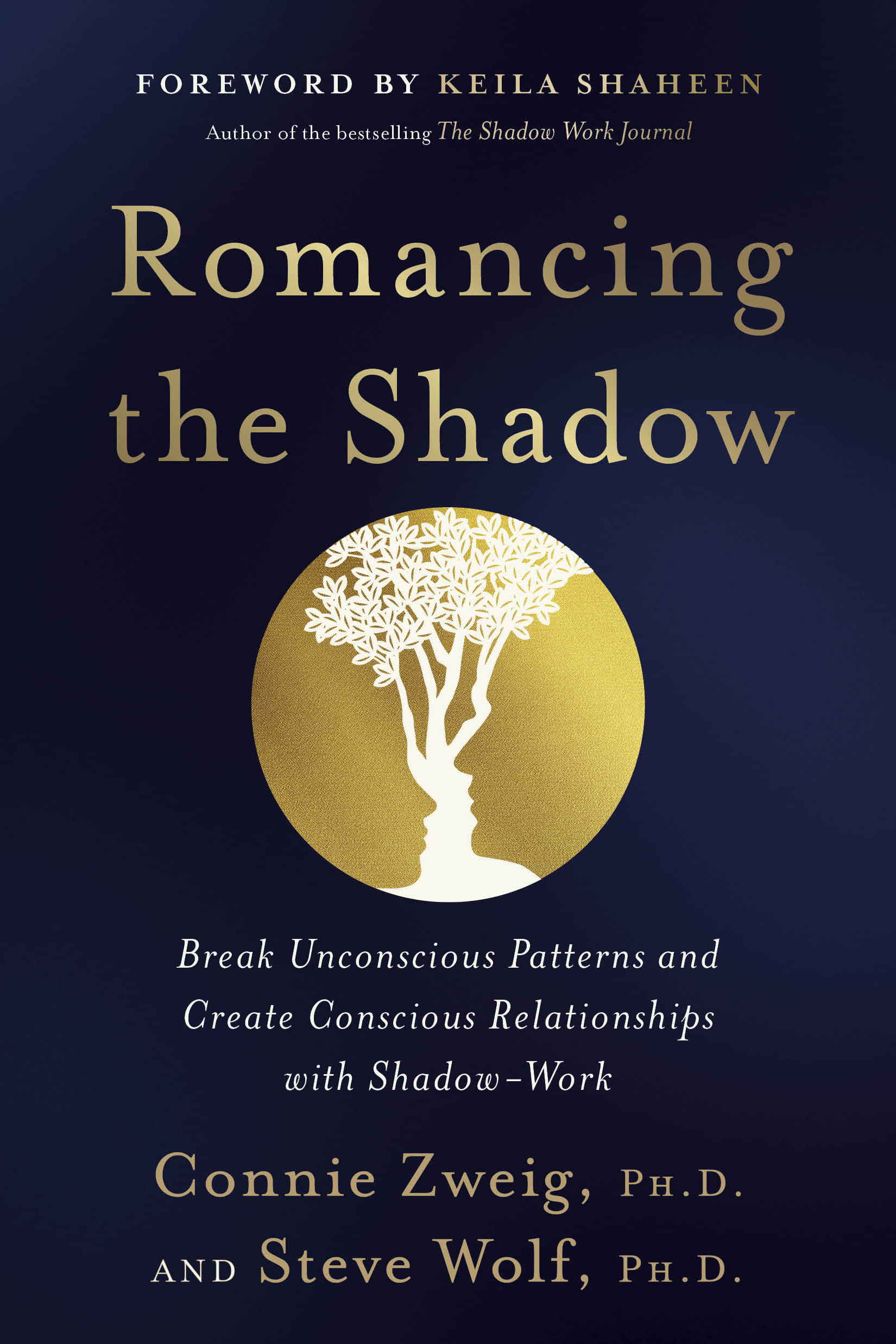
Account Links for Romancing the Shadow
Amazon: https://www.amazon.com/gp/product/0345417402?tag=randohouseinc7986-20
Barnes & Noble: https://www.barnesandnoble.com/w/romancing-the-shadow-connie-zweig-phd/1146930984?ean=9780345417404
Books A Million: https://www.booksamillion.com/p/9780345417404?cjdata=MXxOfDB8WXww&AID=10747236&PID=8373827&SID=PRHEFFDF5A7F1–9780345417404&cjevent=9f3c9253059411f0810c00070a82b838
Bookshop.org: https://bookshop.org/p/books/romancing-the-shadow-a-guide-to-soul-work-for-a-vital-authentic-life-connie-zweig/9048114?ean=9780345417404&next=t&affiliate=2186
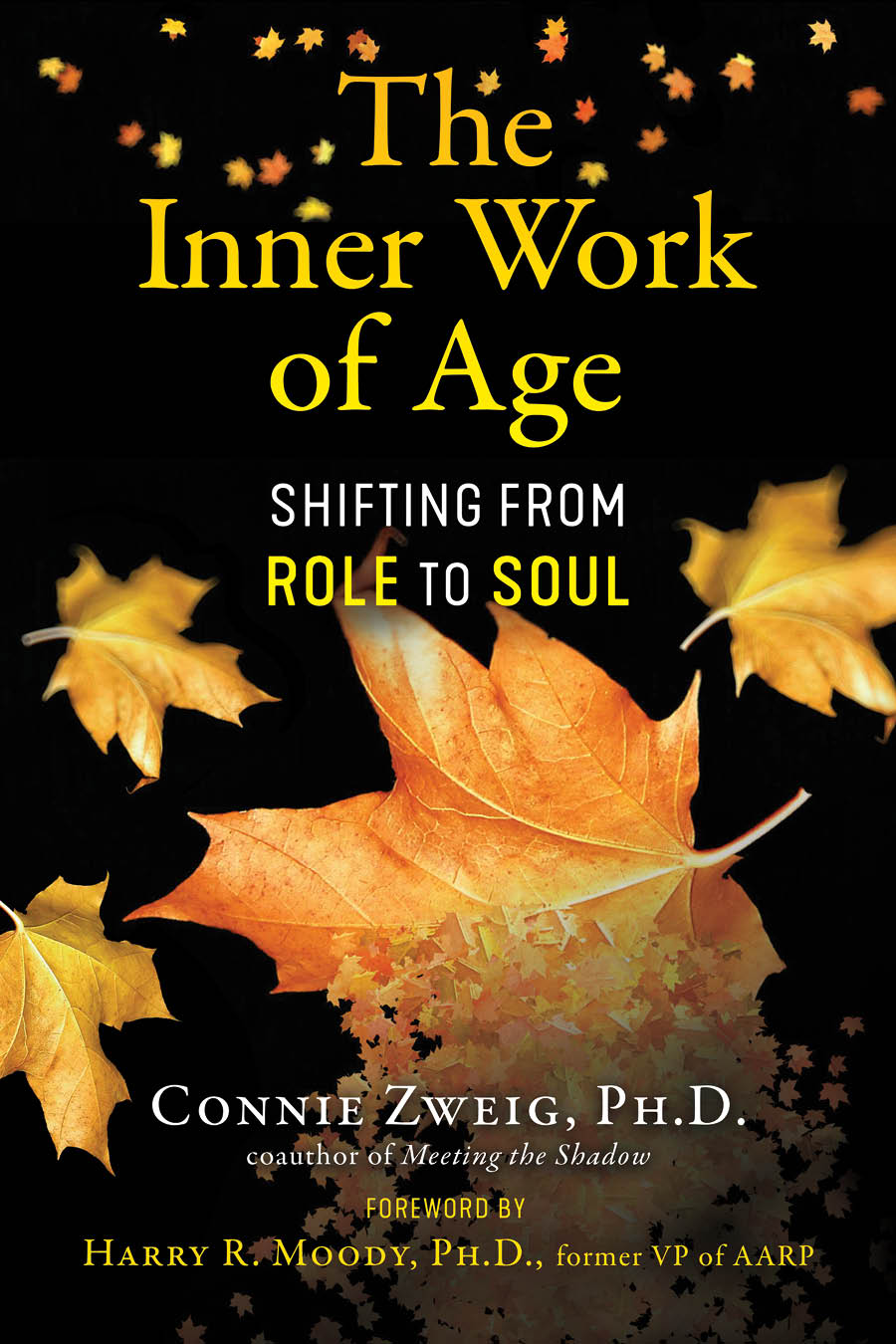
The Inner Work of Age: Shifting from Role to Soul
Available Now EVERYWHERE BOOKS ARE SOLD!
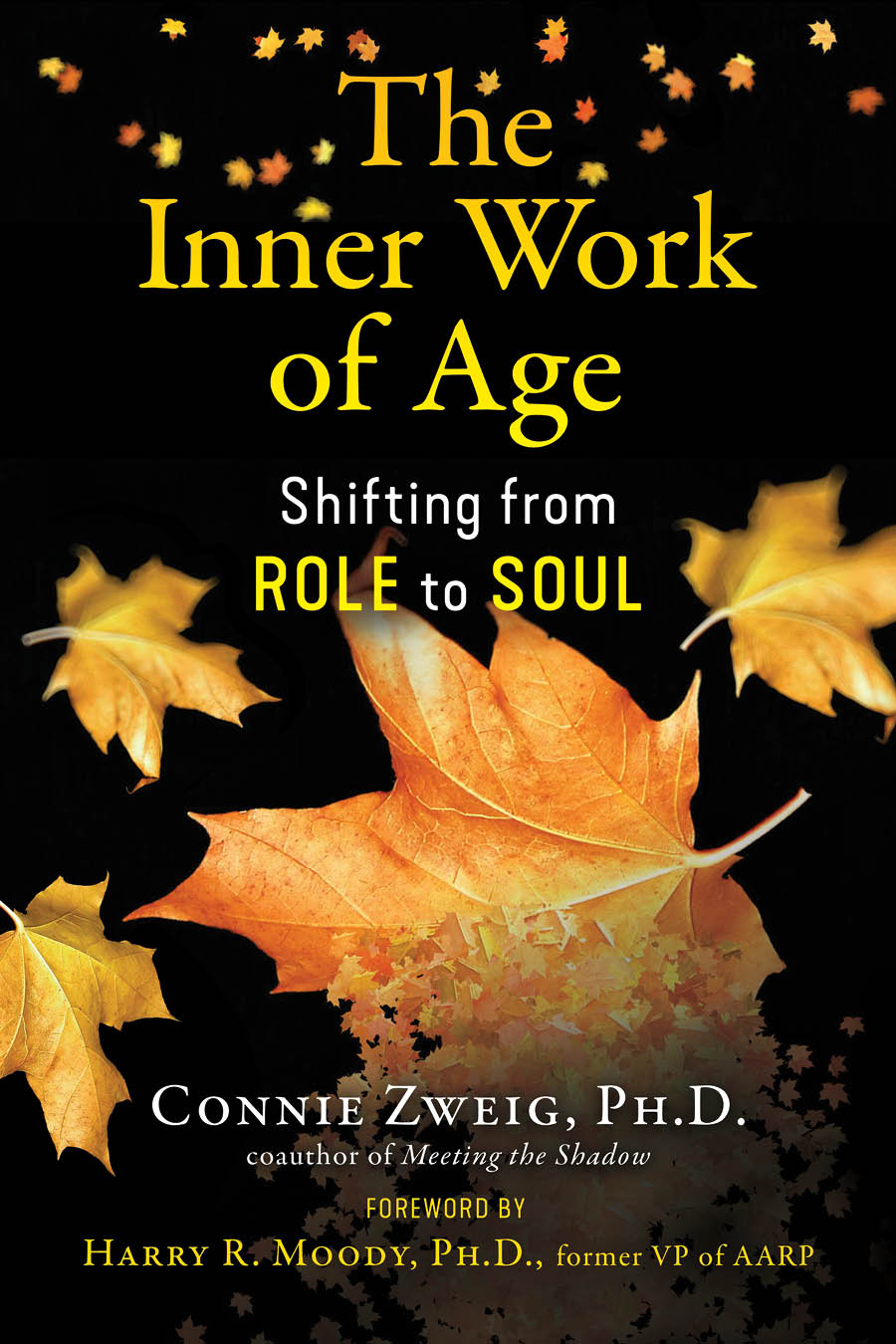
THE INNER WORK OF AGE WON 3 AWARDS: “Award Winner in the Nonfiction Inspirational category of the 2021 Best Book Awards sponsored by American Book Fest”
BEST INDIE BOOK AWARD IN INSPIRATIONAL NON-FICTION/AGING!!
NAUTILUS GOLD IN AGING!!
It’s available here:
Meeting the Shadow on the Spiritual Path: The Dance of Darkness and Light
in Our Search for Awakening
Available now:
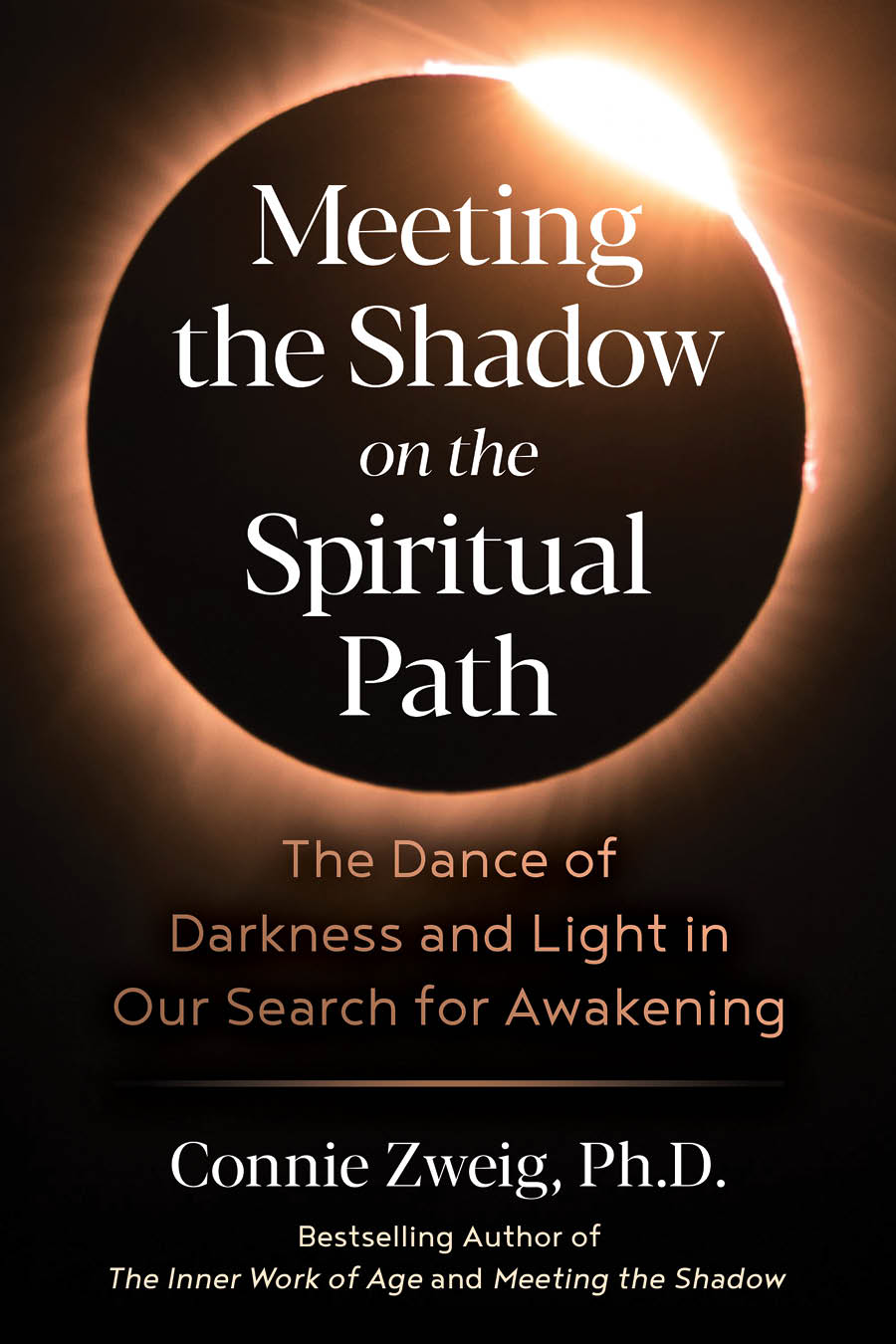
It’s available EVERYWHERE BOOKS ARE SOLD
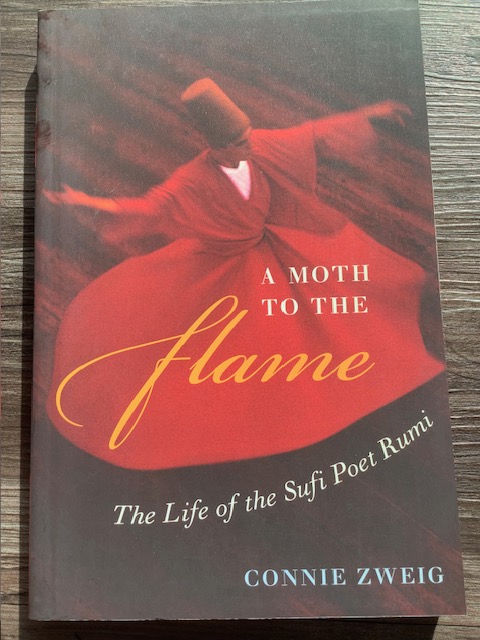
MY NOVEL: A MOTH TO THE FLAME: The Life of Sufi Poet Rumi
The Tale of Rumi’s spiritual awakening and the emergence of his creative genius!
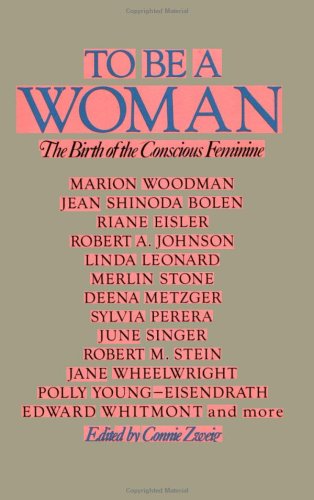
TO BE A WOMAN: THE BIRTH OF THE CONSCIOUS FEMININE
My first anthology is a stellar collection of Jungians, psychologists, and scholars exploring the inner world women, the nature of the feminine archetype and femininity as its lived out conscious and unconsciously.
Here’s a NEW INTERVIEW ABOUT SHADOW WORK ON SOUNDS TRUE:
NEW PODCAST INTERVIEW: APPROACHING SHADOW-WORK
with the Chicago Jung Institute:
You are invited to my new Substack platform:
SHADOW WORK TO EXPAND AWARENESS.
This is an intergenerational collaboration with Keila Shaheen, author of the Shadow Work Journal, in livestream conversations, Q&A’s, new writing, videos, chats.
Join us here: https://lnkd.in/gSuCKMmw
Livestream: Looking for the Beloved: Dating as Shadow Work:
https://www.shadowworkawareness.com/p/dating-as-shadow-work-looking-for
Here’s a livestream on Weaponizing Shadow Projection in Politics:
Shadow Work as a Social Responsibility:
Opening the Portal to the Creative Unconscious: Creativity & Shadow-work
A Free Webinar here:
Is your shadow sabotaging your creativity? Do you get stuck starting out? Trusting your intuition? Completing a creative project? Bringing it to the world? You can detect a shadow character at each stage of the creative process and break through to open the portal to the creative unconscious.
Here’s a livestream on Substack with Keila Shaheen: Navigating the Shadows of Love
Here’s another livestream on Substack with Keila Shaheen for you: Inheritance of Family Shadows
https://www.shadowworkawareness.com/p/cbc3b58d-0b80-4454-a828-7c97faa12a9e
This is a livestream on our Substack for you:
The Eureka Moment: Creativity and Shadow work:
https://www.shadowworkawareness.com/p/the-eureka-moment-of-finding-the
HERE’S A NEW INTERVIEW ABOUT THE POWER OF SHADOW WORK WITH THE MEANINGFUL LIFE PODCAST:
https://themeaningfullife.podbean.com/e/connie-zweig-podcast-1753781780/
I launched a PODCAST with my husband:
For those who want to expand their understanding of spiritual experience,
Listen here: https://www.buzzsprout.com/2306609
Dr Neil’s Spiritual Awakening to Non-Duality.
Many of you have heard something about awakening or enlightenment, but you may not know someone who lives this reality of a cosmic non-duality day to day. My husband lives in an expanded level of consciousness while, at the same time, working as a psychologist and serving as a loving husband, father, and grandfather. After 25 years of observing Neil’s awakening, I will interview him about his moment-to-moment experience, busting myths about awakening and, of course, exploring the role of the shadow in spiritual life.
New episodes on the 1st of every month only.
Episode 1: What is non-duality? IS LIVE
We introduce the direct experience of non-duality or unity or Oneness.
Episode 2: Dr Neil’s Spiritual Origins IS LIVE
Dr Neil was first aware of being awake during a past lifetime in India. He continued to be aware between lifetimes and chose rebirth for specific reasons. He recalls his physical birth, and then forgot his awakening to experience the human journey. His father’s death led him to profound curiosity about the mystery of life and death. He first learned Jewish mystical practices, then Transcendental Meditation, but he grew sick and was told by a healer, his first teacher, that he was on the wrong path.
Listen here: https://www.buzzsprout.com/2306609/15098462
Spotify: https://open.spotify.com/show/06yKlEcpZo649N43BGGehH
Apple Podcasts: https://podcasts.apple.com/us/podcast/dr-neils-spiritual-awakening-to-non-duality/id1743804351
Episode 3: Meeting the First Guide — LIVE NOW
A healer redirected Dr Neil’s attention toward involution, coming into the body before transcending the body. He began to cultivate the lower chakras, which had been denied earlier. This healer taught Dr Neil how to use a pendulum, which opened his 7th chakra. The “Knower” in him began to see directly into his patients’ bodies and psyches, and his therapy practice changed. His inner sight began to expand to his own body, through the walls, into the cosmos. And separation dissolved.
https://www.buzzsprout.com/2306609/episodes/15313154-meeting-the-first-guide
Episode 4: Subtle Sources of Knowing--LIVE NOW
Dr Neil distinguishes between sensory knowing and divine knowing or the inner Knower, the source of all knowledge. He discusses knowing with the subtle bodies and doing psychotherapy as a spiritual practice for this. He suggests that there is no part of life that’s not directed toward waking up. It all fits together.
Listen here: https://www.buzzsprout.com/2306609/15368835
Episode 5: Who am I?
Part 1: Living as an Ego IS LIVE NOW
We examine “Who am I?” in three stages of awareness.
In Part 1, Dr. Neil explores the stages of his development from sensory awareness to tribal identity to a separate individual identity with an integrated ego. This later led to transcending his individuality and local sense of self to include more and more aspects of life. His identity kept transcending and including old forms, until he experienced local non-duality, the emptiness of both self and object, I and Thou. His path was not one of negation but of inclusion of greater and greater identities.
Listen now Part 1: https://www.buzzsprout.com/2306609/15484144
Episode 6: Who am I Part 2: Living as a Soul–LIVE NOW
Dr. Neil describes living as a soul, rather than an ego. He says that human beings are part of one soul, the human soul. And there are other soul groups, which is why we resonate with some people. The soul is always there; it’s never not there, even between lifetimes. It’s always becoming, or evolving, as distinct from the being or the unchanging nature of pure awareness or consciousness. He experiences both at all times and feels free of his desires or limitations because he is all of it at every moment. This is life as a soul.
Listen here: https://www.buzzsprout.com/2306609/15571510
Episode 7: Part 3: Living as Spirit IS LIVE
Who am I? Part 3: Living as Spirit: I am Everything
Dr. Neil explores the expansion of his identity from an ego to the soul to the divine. His early, visual, local subject/object non-duality opened out into a vast non-dual reality that includes everything in the galaxy, beyond physical sight and beyond space/time. His current state: I am everything everywhere.
Listen here: https://www.buzzsprout.com/2306609/15645063
Episode 8: The Illusion of Death IS NOW LIVE
Based on his direct experience, Dr. Neil describes his own journey through the stages of death (bardos). He also explores other peoples’ deaths, friends, parents, and his guru, as he follows them through the process of death and rebirth. Because his consciousness is everywhere at once—no near/far, no past/future – he lives here now and at the same time on the other side.
Listen here: https://www.buzzsprout.com/2306609/episodes/15747776
Episode 9: Into the Astral Plane is NOW LIVE
Based on his direct experience, Dr. Neil explores life in the first plane beyond death, where some people travel after dropping their bodies. He describes several friends who recently died and their experiences of traveling through the bardos or planes beyond physical death, revealing common misunderstanding about the astral plane.
Listen here: https://www.buzzsprout.com/2306609/episodes/15843066
Or listen on your favorite podcast app.
If you enjoy it, please post a review!!
Episode 10: Non-Dual Love is NOW LIVE
Dr. Neil describes the evolution of human love through the stages (or chakras) of self/other in family love, romantic love, and spiritual devotion. He explores how it opens into non-dual love, where subject/object and space/time disappear into boundless love, a quality of the divine. And he describes his experience of our 30-year relationship as it evolved, for him, into non-dual love.
Listen here: https://www.buzzsprout.com/2306609/episodes/15915501
Episode 11. Living in Dual and Non-Dual States IS NOW POSTED
Dr. Neil describes moving his attention between duality and non-duality during daily life as he looks at an object, speaks with someone, or feels something. This simultaneous bounded and unbounded awareness gives him access to blissful states and to subtle sources of knowing. He describes his initial awakening during a migraine and his current experiences of physical pain in the context of his vast awareness.
Listen here: https://www.buzzsprout.com/2306609/episodes/16008616
CORRECTED PODCAST # 12 IS NOW LIVE:
Spirituality, Shadow, & Politics
A few days after the US election, Dr. Neil explores the four primary human levels of consciousness: alligator, tribal, individual, soul/non-dual. He describes their traits and what it may mean for the tribal level to take power for the evolution of consciousness. He suggests that we can engage in activism with a broader and deeper awareness that we are all connected and that our activism does not stem from personal attachment but is part of a larger flow of life. So, rather than spreading darkness by perpetuating shadow projection, enemy-making, and right/wrong thinking, we can help to spread the light.
https://www.buzzsprout.com/2306609/episodes/16084306
Podcast Episode #13 is NOW LIVE:
Dr. Neil’s Evolution through the First to Sixth Chakras
Dr. Neil details the personal experiences that shaped his evolution from infancy in the root chakra, tribal belonging in the second, budding individuality in the third, expanding identity with humanity in the fourth, further expansion to identify with the planet in the fifth, and the deepening of mystical experience in the sixth chakra. He explains that most of humanity remains gripped by tribalism in the second chakras and that this explains a lot of our current crises. It also sheds light on teachers who may have temporary experiences of higher states, then act out their shadows, because they remain identified with the second chakra.
https://www.buzzsprout.com/2306609/episodes/16187377
Podcast Episode #14 is live now:
14. Beneath the 1st Chakra and Beyond the Seventh Chakra
Dr. Neil explores the worlds beneath the root chakra: animal, plant, mineral, molecular, atomic and subatomic. Then he explores above the 6th chakra to the 7th and beyond, in which evolution moves from human to divine, from local non-duality to vast, cosmic non-duality.
https://www.buzzsprout.com/2306609/episodes/16275357
JOIN US FOR PODCAST #15: Meeting the Shadow on the Spiritual Path
Dr. Neil explores key questions: How can someone be awake in a high stage and still act out his or her personal shadow? Why is there an epidemic of gurus and priests acting out their shadows today? Why do we need to cultivate shadow awareness in the context of our spiritual lives? Because there is shadow material stored in the subtle body at each chakra, he goes through each one and describes the risk of eruption of shadow material at that stage.
https://www.buzzsprout.com/2306609/episodes/16331881
Don’t miss Podcast #16: Doing Psychotherapy as a Spiritual Practice
Dr. Neil describes the three stages he experienced as he evolved as a psychologist with his clients: Subject/object duality, in which he diagnoses and treats people; a reciprocal system or intersubjective field, in which the two are connected; and the non-dual field, in which the world soul is in the room. Each stage transcends and includes the earlier stages.
Listen to Podcast #17 here: De-Bunking Myths of Enlightenment
Dr. Neil explores incorrect assumptions about awakening based on his lived experience, such as the belief that there is an ultimate state of consciousness, that the ego and shadow are eliminated, that physical health is required, that we can “get” enlightened, and that death interferes with our evolution.
https://www.buzzsprout.com/2306609/episodes/16498660
Check out podcast # 18!!
Does Suffering Change with Awakening?
Dr. Neil explores the nature of suffering as it is experienced in dualistic and non-dual levels of consciousness. He points to identification and attachment as two roots of physical, emotional, and spiritual suffering. And he describes his own experience while speaking during the podcast with a headache.
https://www.buzzsprout.com/2306609/episodes/16619599
Listen to Podcast #19 now!
Aging into Awakening
Dr. Neil explores spirituality through the lifespan in the context of the new longevity. Is it important to build an ego before transcending an ego? Is it important to earn money, build relationships, and contribute to society before practicing meditation? What is the ideal age to begin a spiritual practice? What are the risks of starting too early and skipping developmental stages? What is the purpose of later life according to most spiritual traditions?
https://www.buzzsprout.com/2306609/episodes/16704822
Podcast #20: Dr. Neil shares His Practice of Inquiry
Demonstrating the Inquiry practice of the Diamond Approach, Dr. Neil moves into the present moment and articulates his experience as his consciousness expands from his local identity in the body outward to the solar system and the galaxy, as he perceives it, then unifies with it. His awareness moves from dualistic to non-dual realities as he inquires into the nature of the microcosm and the macrocosm and their intimate connection.
https://www.buzzsprout.com/2306609/episodes/16786437
Podcast #21: The Non-Dual Body
Dr. Neil describes his discovery of the nonduality of empty mind, empty body, empty cosmos, as he transcended three kinds of apparent duality: body-mind, self-other, and individual-cosmos. This episode is focused on the latter, as he perceives the planets in his body, the macrocosm in the microcosm—as above so below. And he calls the cosmos a giant empty body that enfolds an infinity of empty bodies, like our own, all arising and dissolving together.
https://www.buzzsprout.com/2306609/episodes/16816698
Podast #22: Non-Dual Action, Karma Yoga, and Service as a Path
Every great spiritual tradition teaches sacred service. Dr. Neil points out that service is structured in consciousness. We can take action and serve others from an ego level, with attachment to the outcome and to our own needs, such as in transactional relationships. We can act and serve at a soul level, with deeper compassion and less attachment but still within duality. And we can act or serve with a non-dual level of consciousness, in which subject and object disappear in unity and the divine flows through us.
https://www.buzzsprout.com/2306609/episodes/16971145
Episode 23: Awakening and Attachment to Family and Friends
What is attachment and how does it evolve? Dr. Neil describes the nature of attachment when we identify as egos, as souls, and as Spirit or pure consciousness. Is non-attachment the goal of spiritual practice? He explores the experience of attachment while living in non-dual states and duality at the same time.
https://www.buzzsprout.com/2306609/episodes/17064437
Episode 24: Awakening and Health from the Soul’s Point of View
Who is healthy? Who is ill? As the individual human soul leaves the divine source and incarnates in a body/mind, it carries the influence of several kinds of karma: individual karma from lifetimes, group karma, and the collective karma of humanity (as we witnessed in the pandemic). It’s also influenced by genes, environment, and lifestyle choices. Dr. Neil explores the interconnections of health, longevity, and consciousness.
https://www.buzzsprout.com/2306609/episodes/17145129
Podcast #25: How Consciousness Woke Me Up
Dr Neil describes his personal journey of awakening from a past life to this rebirth, young age, teachers and guides, practices and life circumstances. He emphasizes that his journey is not monastic; it’s a householder becoming a full human being and using what life offers as his spiritual curriculum.
https://www.buzzsprout.com/2306609/episodes/17249004
My Podcast #26 is here: Mapping the Expansion of Consciousness in the Context of Our Relationship
Dr. Neil describes the role of physical, emotional, and mental separateness with me, his wife, as a foundation for the expansion of consciousness. He suggests that the divine manifests separate people and objects to experience itself in infinite ways. He explores the experience of emptiness as his essential nature and how it shapes his personal love, our love, and non-dual love without an object. The balance between separateness/independence and unity/Oneness is a tricky issue for every relationship. But, ultimately, we are all joined in the divine.
https://www.buzzsprout.com/2306609/episodes/17337168
Podcast 27: Morality is Different in Different Levels of Consciousness
Dr. Neil explores human evolution from caveman, to tribal, to individual, to heart-centered levels of consciousness. Each stage has its own moral/immoral behavior. For those few who awaken to non-duality, morality is not rooted in subject/object, but Dr. Neil suggests that they must maintain both dual and non-dual awareness to act morally. When the subject and/or object disappear, there is a risk of acting out immoral behavior unless morality has been grounded and internalized in earlier stages.
https://www.buzzsprout.com/2306609/episodes/17390140
Podcast 28: Awakening and Transcending the Linear Timeline
Dr. Neil describes the conventional experience of time — past, present, future — as the ego’s time. But he suggests that this is a mental construct because he also experiences divine time, in which creation, maintenance, and destruction are ongoing in every moment, and soul time, which is more cyclic and has no beginning or end. Since he has consciously realized these three subjective experiences of time, he has changed the way he works with patients to focus less on the past and more on the present moment, because it’s all here now.
https://www.buzzsprout.com/2306609/episodes/17567904
Podcast 29: Expanding Non-Duality to the Astral Body and Astral Plane
Dr. Neil explores several ways to access the astral plane. He describes a recent experience in which his astral body became transparent and infinite, like his physical body, containing everything in the universe. This opened a deeper emotional connection to people on the astral plane and a more profound identification with deathlessness.
https://www.buzzsprout.com/2306609/episodes/17709938
Podcast #30: Freedom from I, Me, Mine
Dr. Neil explores the development of a separate identity as a necessary step in evolution as part of the heroic ego’s journey. Then he describes current identity politics as an example of both progress and a hindrance to further development. If we get stuck in a local identity — race, ethnicity, gender, orientation, political tribe, age, religion, beliefs — the expansion of consciousness to our spiritual nature gets blocked. We will miss the freedom that comes from letting go of I, Me, Mine into an unbounded, infinite identification with Everything. The freedom of the shift from role to soul.
https://www.buzzsprout.com/2306609/episodes/17873980
Episode 31: Dr. Neil Recalls Past Lives: His Soul’s Journey Beyond Death
Dr. Neil describes soul awareness as a stage that emerged for him after his awakening to non-duality. He recalls six past lives (one that includes Me), their common themes, and the purpose of his soul group. He suggests that the value of remembering past lives is to expand our identity from the local, immediate body/mind we inhabit today to the soul, which cycles through births and deaths as it evolves without end.
https://www.buzzsprout.com/2306609/episodes/18084800
Podcast #32: Varieties of Non-Dual Higher States
Dr. Neil describes several states of consciousness beyond ego – pleasure, well-being, joy, ecstasy, and radiance. He explains that they exist as eternal frequencies and can be tuned into when the chakras and subtle bodies are prepared. They are beyond subject/object dualities, beyond doer/receiver, unlike ego states of pleasure or joy.
https://www.buzzsprout.com/2306609/episodes/18232129
Podcast #33: ENLIGHTENED PERCEPTION: Expanding the Senses
in the Subtle Bodies
https://www.buzzsprout.com/2306609/episodes/18410433
Dr. Neil describes how, since his unity with everything has stabilized, the sensory perceptions of his astral, mental, and celestial bodies have clarified. Each of them works differently. With nondual awareness, he is in union with everything but can separate himself out to see through walls, communicate with deceased people and masters in higher planes, and explore the galaxy. He emphasizes that these are not siddhis, or yogic powers, but the natural result of his expanding awareness of Oneness with the subtle realms.
New Podcast #34:
DR. NEIL’S EXPERIENCE OF MANY KINDS OF EMPTINESS
“Form is emptiness; emptiness is form.” This adage from the Heart Sutra describes non-dual reality in Buddhist terms: all form is basically empty, that is, neither permanent nor substantial. And emptiness, as the source and nature of form, is reality. Dr. Neil describes the stages of his direct experience of emptiness from empty action, to empty speech, to empty mind, to empty self, to empty object, to empty cosmos. As he awakened to the formless self that underlies the forms of ego, he awoke to the emptiness of all forms—and the nonduality of self and world.
https://www.buzzsprout.com/2306609/episodes/18559525
New Podcast #35:
Dr. Neil Responds to Listener Questions
Podcast listeners have posted some interesting questions to us: What is the difference between your Knower and the arrogance of a know-it-all? Is there an end point to the evolution of consciousness? Should we try to develop psychic abilities or siddhis (yogic powers), or will they inevitably unfold? How does advanced spiritual experience affect future lifetimes? What is your identity while living in nonduality? What happens to fun or pleasure for enlightened folks?
https://www.buzzsprout.com/2306609/episodes/18756458
New Podcast #35: Waking Up to the One Life of Everything Everywhere
Dr. Neil describes an overview of his journey from psychic intuition to the Knower, to the Traveler beyond space/time, to the dissolution of subject/object and becoming One with the objects of perception near and far. At that point, he realizes that there is nowhere to go, Everything in his body. Then he experiences astral projection but not as the traveler; he becomes One with the astral body and plane. Then this expands to the mental, buddhic, and celestial planes. Then it expands to the galaxy, and he is That. His latest realization includes a golden orb whose beings are creating and dissolving the manifest world.
https://www.buzzsprout.com/2306609/episodes/18900690
Follow us and don’t miss an episode.
Interview with This Jungian Life: Meeting the Shadow
on the Spiritual Path
Video Webinar on Meeting the Shadow on the
Spiritual Path:
Intro to award-winning AGE book:
LA TIMES INTERVIEW on The Inner Ageist:
REINVENTING RETIREMENT PODCAST with Connie and Dorian Mintzer:
THE BEST Conversation about MEETING THE SHADOW ON THE SPIRITUAL PATH
with Roger Wash on Deep Transformation podcast:
Part 1: https://deeptransformation.io/connie-zweig-1-shadow-on-the-spiritual-path
Part 2: https://deeptransformation.io/connie-zweig-2-shadow-on-the-spiritual-path
Humanity Rising presentation and interview on Meeting the Shadow on the Spiritual Path:
This Jungian Life INTERVIEW on Meeting the Shadow on the Spiritual Path:
Meeting Shadow on the Spiritual Path with Connie Zweig
MYTH SALON ON MEETING THE SHADOW ON THE SPIRITUAL PATH with Connie,
David Chernikoff, Dennis Slattery, Aaron Kipnis, Carter Phipps:
AGE VIDEOS FOR YOU
FREE EVENT ON THE INNER WORK OF AGE with Connie Zweig, HOSTED BY HUMANITY RISING, ONLINE DAILY BROADCAST
WITH BILL MCKIBBEN, MARC FREEDMAN, RICHARD LEIDER, ASHTON APPLEWHITE, ROSHI JOAN HALIFAX, ROBERT THURMAN, THOMAS MOORE, MANY MORE.
Day 1: Ageism from the Inside Out and from the Outside Out
https://www.youtube.com/watch?v=r2Z_Hvb4ygE
Day 2: What Can One Person Do? The Moral Voice of the Elder in Tumultuous Times
https://www.youtube.com/watch?v=gAiliEoP5PY
Day 3: Retirement from the Inside Out and from the Outside In
https://www.youtube.com/watch?v=C1B-nuX9IoM
Day 4: Reimagining the Elder for Our Cultural Moment
https://www.youtube.com/watch?v=kBBxj1HV2uk
Day 5: The Spiritual Purpose of Age: Shifting from Role to Soul
https://www.youtube.com/watch?v=PL1GR0h5R2s
Inner Work/Outer Work for the Climate Crisis: From Anxiety to Action
I hosted this fantastic event on psychology and climate:
Past ONLINE EVENTS to watch:
Association for Spiritual Integrity, Meeting the Shadow on the Spiritual Path. Watch it here: https://www.youtube.com/watch?v=6aj5GbDWvkI
Meeting the Shadow on the Spiritual Path on Humanity Rising, free, global live broadcast.
Spirit Matters Podcast interview. Watch it here: https://megaphone.link/MBSLLC8676365194
An interview on THE INNER WORK OF AGE for Deep Transformation podcast with Roger Walsh:
Connie Zweig – The World Needs Elders: How Inner Work Transforms Aging into a Developmental Process, a Life Culmination, and a Gift
Listen to my interview about aging into awakening on Buddha at the Gas Pump:
Meaningful Life podcast interview with Andrew G. Marshall:
https://themeaningfullife.podbean.com/e/dr-connie-zweig-podcast/
Modern Sage podcast interview:
New Dimensions Radio interview:
Becoming a True Wisdom Elder with Connie Zweig, Ph.D.
Check out my interview on public radio here: https://www.mynspr.org/
Listen to this fantastic interview on Revolutionize Your Retirement: https://revolutionizeretirement.com/
Changing of the Gods video: Myths of Age
on the Myth Salon:
NO BS SPIRITUAL BOOK CLUB: MY 10 BEST SPIRITUAL BOOKS:
Podcasts for your listening pleasure:
The Sacred Speaks:
podcast on SpiritMatters:
Connie Zweig
THE INNER WORK OF AGE: Crossing the threshold into late life can feel like a high-wire act without a net. But, if you are retiring or rewiring, ill or caregiving, feeling purposeful or disoriented, yearning to serve or do spiritual practice, you can learn to cross over from denial to awareness, from distraction to presence, from role to soul.
I am blogging excerpts on Medium at https://medium.com/@conniezweig
See why I’m writing about AGE:
https://medium.com/@conniezweig/age-by-the-numbers-a-remarkable-untold-story-5d7402646491
My Interview with Ken Wilber: He calls on Elders to Grow Up, Clean Up, Wake Up, and Show Up:
Follow me on Medium to get more excerpts of the next book: https://medium.com/@conniezweig/a-call-to-grow-up-clean-up-wake-up-show-up-2bd42ff2c683
My interview with mythologist Michael Meade on Reinventing the Elder: https://medium.com/@conniezweig/reinventing-the-elder-today-b110e17f72f4
An Interview with Chant leader Krishna Das, Wizard Behind the Kirtan
https://medium.com/@conniezweig
A Conversation with Spiritual Elder Anna Douglas, Buddhist Meditation teacher, co-founder of Spirit Rock Meditation Center
This is part of my series of interviews with Spiritual Elders for my new book.
After three decades of teaching mindfulness at Spirit Rock in Northern California and in Tucson, Az., Anna, at 78, has turned her attention to Buddhist teachings about age and death. In our conversation, I asked her why.
“I used to live in New York and observe older people sitting on benches in the park. It would annoy me. I would ask myself, “What’s wrong with them? Why don’t they do something. I had judgment. . . .Now I’m one of them.” (In my language, Anna had discovered her inner ageist.) She continued.
“The changes in my own body, brain, and energy level are more noticeable now, and I don’t want to do much. I don’t want to multi-task. I’m more easily satisfied with what’s here, now.
“Also, many Baby Boomers over 60 are coming to Spirit Rock for retreats, motivated by their suffering about ageing and seeking a practice and a framework to deal with it. So, there’s great consciousness raising when we’re in the room together.”
I asked her to explain how the Buddha’s teachings might help with the physical, mental, and emotional changes of late life. “We’re finding the dharma now to be less remote and more profoundly useful. As an example, let’s take the three marks or characteristics of existence: First, suffering is built into life. We want it to be different, we want a younger body. But our task is to accept that our physical aging is natural, not a failure.
“Next, impermanence: Everything is temporary. All physical and mental things are in flux, emerging and dissolving. Human life embodies this flux in the aging process of decaying and dying. But, again, we want it to be permanent, which creates a lot of suffering. So, our task is to see that it’s all impermanent and work toward accepting that truth.
“Third, we are empty, without an essential self. But we constantly seek a permanent sense of self in our longings, our work, our creations, our children. With aging, our roles and self-images disappear. Our contributions may lessen. The solid sense of self can be seen through more easily as transparent, empty.
“With aging, our suffering, impermanence, and emptiness become more real, more obvious. The root of it is in our identification with the body. But if we experience unconditioned mind or pure awareness in meditation, then we’re not so lost. Then we can find an opening to awakening. As the Buddha put it, ‘Though the body is sick, let not the mind be sick.’ That means, train the mind in well-being and just notice the passing forms in the world.”
I wondered aloud how mindfulness practice changes as we age. “Mindfulness is an invitation to do one thing– breathe, be present, notice. In late life, it becomes easier because we’re not so busy with our desires. Our longings have quieted down a bit. And our physical and mental activity slows naturally.”
Anna spoke about how her experience of teaching mindfulness has changed over the decades. “It’s taken a long time to find my voice as a woman in a patriarchal tradition. Now I have a sense of love and genuineness when I teach because my life experience and spiritual practice made me ripe. Aging settles us, makes us more authentic, which is what older people need — to become who we always were.”
“Has your sense of time changed?” I asked.
“This time is a rich period of practice. The future is not visible; it doesn’t exist. So, the work is not about the future. I’m feeling the gift of life, the blessing of experience,” she told me.
“And the biggest surprise for you?”
“When I look back and review my life now, I can see all of the plans and agendas that I tried to force into happening. But my ego’s agendas went nowhere. When I lived in Santa Monica and worked as a therapist, I just happened to see a flier for a talk by Joseph Goldstein. I walked into a small shed with ten people and heard the Four Noble Truths for the first time. I recognized it immediately as my path — and headed off to Barre, Massachusetts to the center there. When I returned to California and opened Spirit Rock together with the other teachers, it was a great adventure — and much better than anything I could have planned. I see now that things had to happen that way.”
I asked if she wanted to add anything about the dharma of aging.
“Stay in your seat to develop stability of mind, to keep from getting swept away by thoughts. And reflect on ownership — my and mine. So you practice letting go of thoughts, feelings, people, and things. Aging requires letting go, and meditation can help us to cultivate that practice.”
Anna is helping to shepherd new young teachers into Spirit Rock Meditation Center, so that the legacy continues. They offer Buddhist meditation courses to families, teens, women, men, and Baby Boomers.
Dancing with Shadows:
A Conversation With Connie Zweig
Interview originally published in Psychology Today
For the past 30 years, Dr. Connie Zweig has been a pioneer in fields of shadow work and meditation practice. The founder of the Center for Shadow Work and Spiritual Counseling of the AIWP, she received her doctorate in depth psychology, trained at the Los Angeles Jung Institute, and has been in private practice in Los Angeles for over two decades, helping thousands of people detect unconscious sources of secret feelings and behaviors, and transform them into positive, constructive patterns. Dr. Zweig is the author of A Moth to the Flame, and co-author of two seminal books in the field, Meeting the Shadow and Romancing the Shadow. We spoke recently about the secret wisdom to be found in the shadow, and how to bring mindfulness to our forbidden zones, as well as compassion, on the path to of authenticity.
Mark Matousek: How should we think about authenticity when the “self” is made up of so many inconsistent parts?
Connie Zweig: We have all had the experience of a shadow character or part of ourselves erupting in spontaneous anger, lying, greed, or feelings of jealousy. We recognize the eruption in a critical comment we don’t mean to make, or in a repetitive fight with our partner, or some unacceptable behavior we can’t understand. Those parts are in all of us, and they are formed in our childhood through what psychology calls “defenses.” Sometimes those parts are repressed and sometimes they are projected onto others, but these forbidden feelings are unacceptable to our self-image and typically denied by the ego. “That’s immoral—I’d never do that,” or “That’s impolite.”
Most people are aware that there is some part of them correcting other parts, but they may not be aware of a higher self or what we could call an intuitive self. It’s the part that allows us to come back into equilibrium, and learn how to observe the shadow parts. To observe and do shadow work, we need the experience of being centered in a higher self. That is why our spiritual practice is so pivotal.
Without space inside our minds to observe forbidden feelings and behaviors, they take over. When they do, we feel controlled and overshadowed by them. For example, the moment you feel road rage and flip the finger at another driver, you lose your center and capacity to witness. In your anger, you’re unconsciously identified with that shadow figure. My work is about teaching people how to break that resultant unconscious identification of “I’m bad,” or “I’m an angry person,” and come back to the center. They learn to have a relationship with that part, and dialogue with that part, in order to recognize that it is not the essence of who they are as spiritual beings. And in this way, they connect to their authentic selves.
THE INNER WORK OF AGE CONTINUES: BECOMING A GOOD ANCESTOR
ONLINE SYMPOSIUM WITH JEAN SHINODA BOLEN, KEN WILBER, BILL MCKIBBEN, DENNIS SLATTERY, FANNY BREWSTER, ROB HOPCKE, AND MORE.
FOR MORE EVENTS, SEE BELOW THE INTERVIEW
A New Interview with Dr. Mark Goulston:
https://podcasts.apple.com/us/podcast/ep-362-connie-zweig/id1439752757?i=1000569441212
A new interview on Deep Transformation podcast with Roger Walsh:
Connie Zweig – The World Needs Elders: How Inner Work Transforms Aging into a Developmental Process, a Life Culmination, and a Gift
Listen to my interview about aging into awakening on Buddha at the Gas Pump:
BeHereNow podcast:
Mindrolling – Raghu Markus – Ep. 429 – Shifting from Role to Soul with Connie Zweig, PhD
Meaningful Life podcast interview with Andrew G. Marshall:
https://themeaningfullife.podbean.com/e/dr-connie-zweig-podcast/
Modern Sage podcast interview:
New Dimensions Radio interview:
Becoming a True Wisdom Elder with Connie Zweig, Ph.D.
Rebel Spirit Radio podcast: https://www.youtube.com/watch?v=PNQT5oBgpAk
Destiny podcast interview: https://api.spreaker.com/v2/episodes/49084213/download.mp3
Check out a new interview on public radio here: https://www.mynspr.org/
Listen to this fantastic interview on Revolutionize Your Retirement: https://revolutionizeretirement.com/
Changing of the Gods video: Myths of Age
on the Myth Salon:
NO BS SPIRITUAL BOOK CLUB: MY 10 BEST SPIRITUAL BOOKS:
ONLINE WORKSHOPS:
HUMANITY RISING 5-DAY EVENT ON
INNER WORK OF AGE!! WITH BILL MCKIBBEN, MARC FREEDMAN, RICHARD LEIDER, ASHTON APPLEWHITE, ROSHI JOAN HALIFAX, ROBERT THURMAN, MIRABAI BUSH, BILL THOMAS, MANY MORE
ONLINE NATIONAL CONFERENCE: THE INNER WORK OF AGE CONTINUES: BECOMING A GOOD ANCESTOR
hosted by Pacifica Graduate Institute,
KEYNOTES by Jean Shinoda Bolen, Ken Wilber, Bill McKibben, Dennis Slattery
Stellar speakers on the depth psychology of age and Day 3 on the climate crisis for Elders.
The Inner Work of Age Continues: Becoming a Good Ancestor
Podcasts for your listening pleasure:
The Sacred Speaks:
podcast with EngAge. Listen here:
https://www.youtube.com/c/EngagedagingOrg
podcast on SpiritMatters:
Connie Zweig
THE INNER WORK OF AGE: Crossing the threshold into late life can feel like a high-wire act without a net. But, if you are retiring or rewiring, ill or caregiving, feeling purposeful or disoriented, yearning to serve or do spiritual practice, you can learn to cross over from denial to awareness, from distraction to presence, from role to soul.
I am extending my work on the Shadow into late life for people 50+ who want to move past denial, fear, and resistance to discover their dreams and opportunities for this stage of life. My mission: to redefine “age” and to help others reimagine it as a spiritual journey.
I am blogging excerpts on Medium at https://medium.com/@conniezweig
Ongoing 12-part online course: Meeting and Romancing Your Shadow — my complete body of work — continues on Spiritualityandpractice.com
See why I’m writing about AGE:
https://medium.com/@conniezweig/age-by-the-numbers-a-remarkable-untold-story-5d7402646491
My Interview with Ken Wilber: He calls on Elders to Grow Up, Clean Up, Wake Up, and Show Up:
Follow me on Medium to get more excerpts of the next book: https://medium.com/@conniezweig/a-call-to-grow-up-clean-up-wake-up-show-up-2bd42ff2c683
My interview with mythologist Michael Meade on Reinventing the Elder: https://medium.com/@conniezweig/reinventing-the-elder-today-b110e17f72f4
An Interview with Chant leader Krishna Das, Wizard Behind the Kirtan
https://medium.com/@conniezweig
A Conversation with Spiritual Elder Anna Douglas, Buddhist Meditation teacher, co-founder of Spirit Rock Meditation Center
This is part of my series of interviews with Spiritual Elders for my new book.
After three decades of teaching mindfulness at Spirit Rock in Northern California and in Tucson, Az., Anna, at 78, has turned her attention to Buddhist teachings about age and death. In our conversation, I asked her why.
“I used to live in New York and observe older people sitting on benches in the park. It would annoy me. I would ask myself, “What’s wrong with them? Why don’t they do something. I had judgment. . . .Now I’m one of them.” (In my language, Anna had discovered her inner ageist.) She continued.
“The changes in my own body, brain, and energy level are more noticeable now, and I don’t want to do much. I don’t want to multi-task. I’m more easily satisfied with what’s here, now.
“Also, many Baby Boomers over 60 are coming to Spirit Rock for retreats, motivated by their suffering about ageing and seeking a practice and a framework to deal with it. So, there’s great consciousness raising when we’re in the room together.”
I asked her to explain how the Buddha’s teachings might help with the physical, mental, and emotional changes of late life. “We’re finding the dharma now to be less remote and more profoundly useful. As an example, let’s take the three marks or characteristics of existence: First, suffering is built into life. We want it to be different, we want a younger body. But our task is to accept that our physical aging is natural, not a failure.
“Next, impermanence: Everything is temporary. All physical and mental things are in flux, emerging and dissolving. Human life embodies this flux in the aging process of decaying and dying. But, again, we want it to be permanent, which creates a lot of suffering. So, our task is to see that it’s all impermanent and work toward accepting that truth.
“Third, we are empty, without an essential self. But we constantly seek a permanent sense of self in our longings, our work, our creations, our children. With aging, our roles and self-images disappear. Our contributions may lessen. The solid sense of self can be seen through more easily as transparent, empty.
“With aging, our suffering, impermanence, and emptiness become more real, more obvious. The root of it is in our identification with the body. But if we experience unconditioned mind or pure awareness in meditation, then we’re not so lost. Then we can find an opening to awakening. As the Buddha put it, ‘Though the body is sick, let not the mind be sick.’ That means, train the mind in well-being and just notice the passing forms in the world.”
I wondered aloud how mindfulness practice changes as we age. “Mindfulness is an invitation to do one thing– breathe, be present, notice. In late life, it becomes easier because we’re not so busy with our desires. Our longings have quieted down a bit. And our physical and mental activity slows naturally.”
Anna spoke about how her experience of teaching mindfulness has changed over the decades. “It’s taken a long time to find my voice as a woman in a patriarchal tradition. Now I have a sense of love and genuineness when I teach because my life experience and spiritual practice made me ripe. Aging settles us, makes us more authentic, which is what older people need — to become who we always were.”
“Has your sense of time changed?” I asked.
“This time is a rich period of practice. The future is not visible; it doesn’t exist. So, the work is not about the future. I’m feeling the gift of life, the blessing of experience,” she told me.
“And the biggest surprise for you?”
“When I look back and review my life now, I can see all of the plans and agendas that I tried to force into happening. But my ego’s agendas went nowhere. When I lived in Santa Monica and worked as a therapist, I just happened to see a flier for a talk by Joseph Goldstein. I walked into a small shed with ten people and heard the Four Noble Truths for the first time. I recognized it immediately as my path — and headed off to Barre, Massachusetts to the center there. When I returned to California and opened Spirit Rock together with the other teachers, it was a great adventure — and much better than anything I could have planned. I see now that things had to happen that way.”
I asked if she wanted to add anything about the dharma of aging.
“Stay in your seat to develop stability of mind, to keep from getting swept away by thoughts. And reflect on ownership — my and mine. So you practice letting go of thoughts, feelings, people, and things. Aging requires letting go, and meditation can help us to cultivate that practice.”
Anna is helping to shepherd new young teachers into Spirit Rock Meditation Center, so that the legacy continues. They offer Buddhist meditation courses to families, teens, women, men, and Baby Boomers.
Dancing with Shadows:
A Conversation With Connie Zweig
Interview originally published in Psychology Today
For the past 30 years, Dr. Connie Zweig has been a pioneer in fields of shadow work and meditation practice. The founder of the Center for Shadow Work and Spiritual Counseling of the AIWP, she received her doctorate in depth psychology, trained at the Los Angeles Jung Institute, and has been in private practice in Los Angeles for over two decades, helping thousands of people detect unconscious sources of secret feelings and behaviors, and transform them into positive, constructive patterns. Dr. Zweig is the author of A Moth to the Flame, and co-author of two seminal books in the field, Meeting the Shadow and Romancing the Shadow. We spoke recently about the secret wisdom to be found in the shadow, and how to bring mindfulness to our forbidden zones, as well as compassion, on the path to of authenticity.
Mark Matousek: How should we think about authenticity when the “self” is made up of so many inconsistent parts?
Connie Zweig: We have all had the experience of a shadow character or part of ourselves erupting in spontaneous anger, lying, greed, or feelings of jealousy. We recognize the eruption in a critical comment we don’t mean to make, or in a repetitive fight with our partner, or some unacceptable behavior we can’t understand. Those parts are in all of us, and they are formed in our childhood through what psychology calls “defenses.” Sometimes those parts are repressed and sometimes they are projected onto others, but these forbidden feelings are unacceptable to our self-image and typically denied by the ego. “That’s immoral—I’d never do that,” or “That’s impolite.”
Most people are aware that there is some part of them correcting other parts, but they may not be aware of a higher self or what we could call an intuitive self. It’s the part that allows us to come back into equilibrium, and learn how to observe the shadow parts. To observe and do shadow work, we need the experience of being centered in a higher self. That is why our spiritual practice is so pivotal.
Without space inside our minds to observe forbidden feelings and behaviors, they take over. When they do, we feel controlled and overshadowed by them. For example, the moment you feel road rage and flip the finger at another driver, you lose your center and capacity to witness. In your anger, you’re unconsciously identified with that shadow figure. My work is about teaching people how to break that resultant unconscious identification of “I’m bad,” or “I’m an angry person,” and come back to the center. They learn to have a relationship with that part, and dialogue with that part, in order to recognize that it is not the essence of who they are as spiritual beings. And in this way, they connect to their authentic selves.
MM: Are you saying that without the ability to witness our thoughts the identification with our shadow is too strong for us not to be caught in destructive behavior?
 Dr. Connie's Shadow Work to Expand Your Awareness